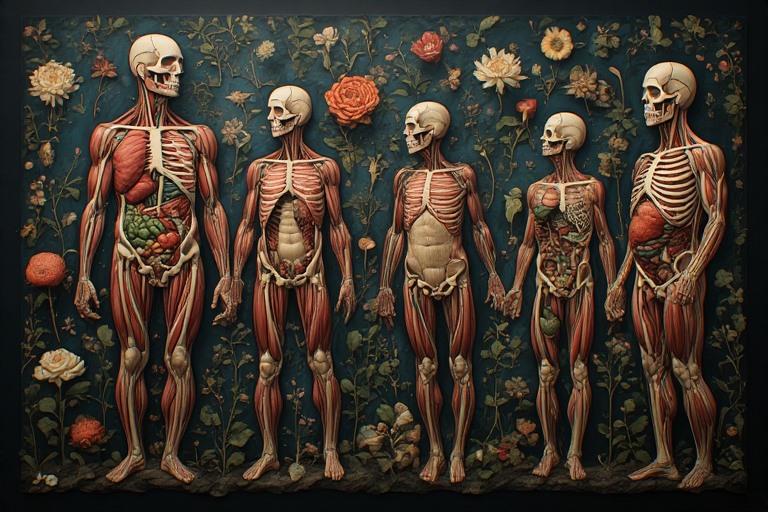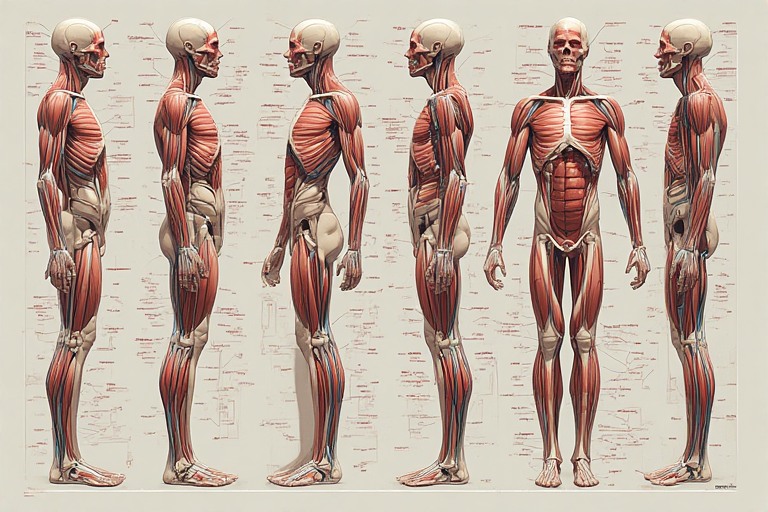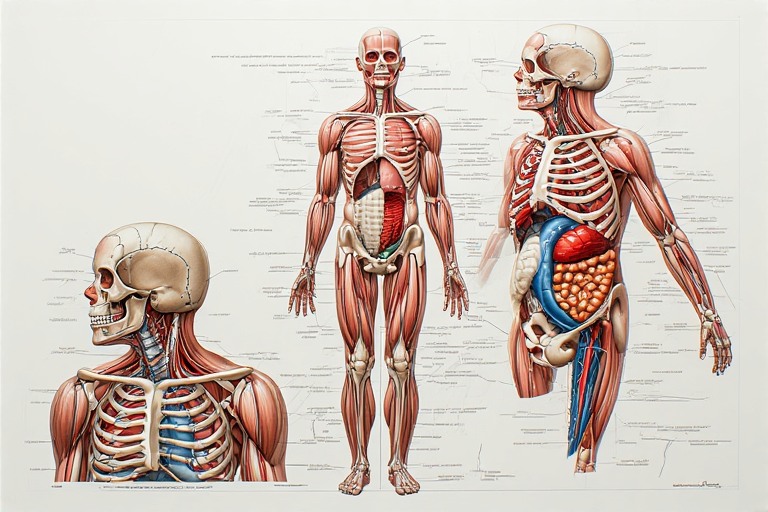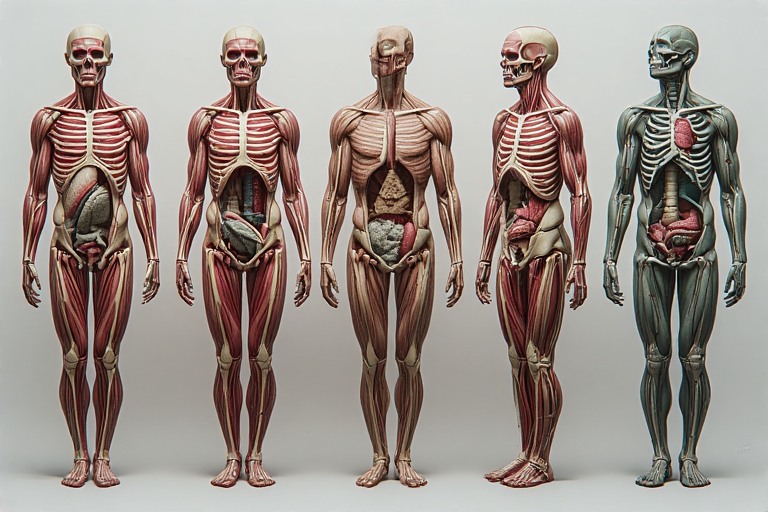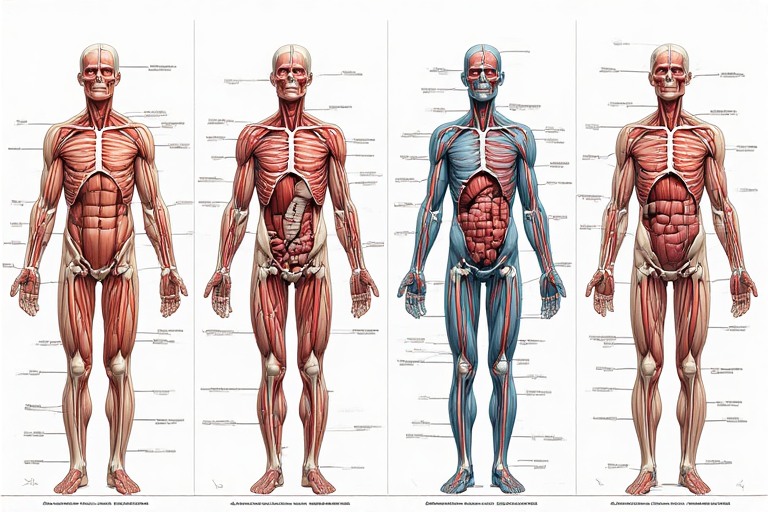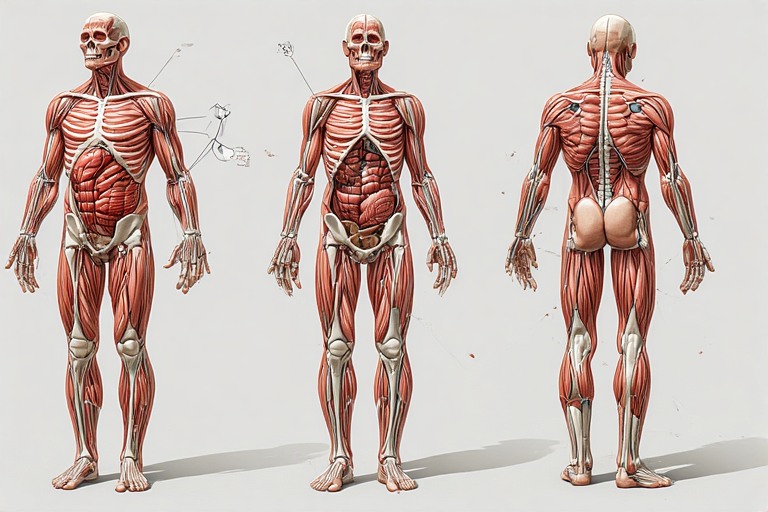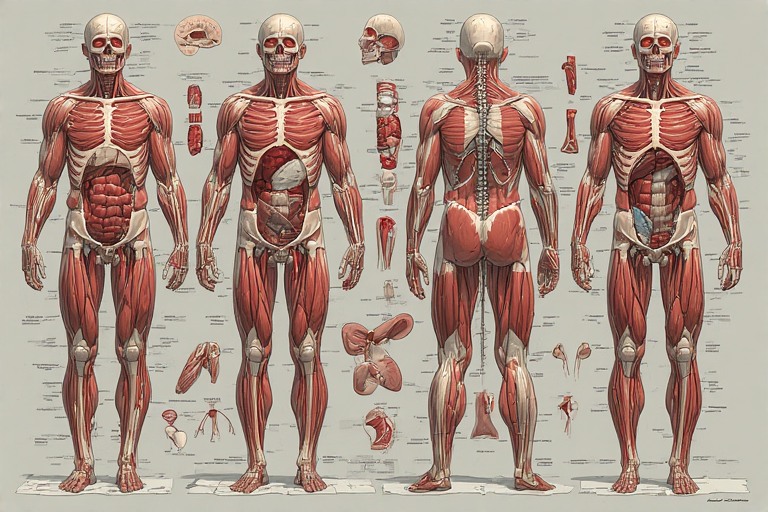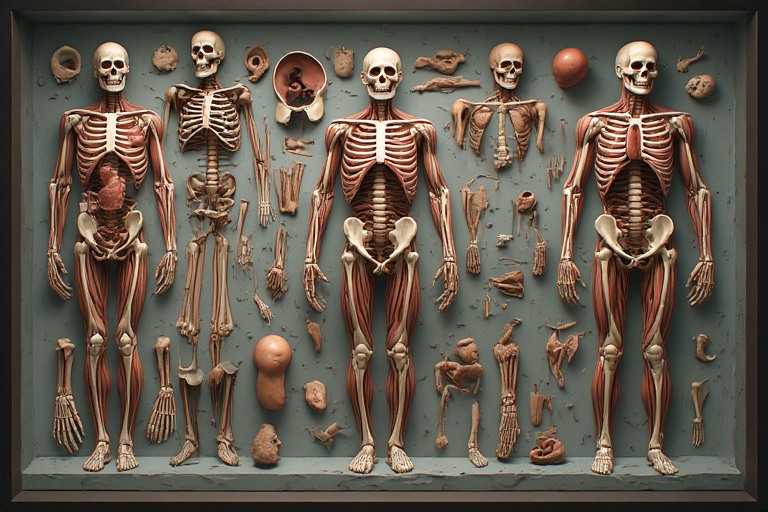
In the silence of contemplation, have we ever realized that every breath transformed into a word is a miracle? Every greeting, every expression of love, every recitation of prayer, even a whispered thought, is a complex and perfect orchestral masterpiece. It is not merely vibrating air, but a grand symphony performed by unseen musicians within us. Science reveals an astonishing fact: every letter born from our tongue involves the harmonious cooperation of no less than 17 different muscles to form its sound. Let us delve deeper into this miracle, not only from a scientific perspective but also as a moral message for a wiser life.
Part I: The Anatomy of a Word—An Intricate Scientific Choreography
The process of speech is an elegant and complex chain of biomechanical events. It begins with an electrical impulse in the brain, an "intention" to communicate. This impulse then travels through the nerves, issuing commands to a remarkable ensemble of muscles.
The Respiratory System: The diaphragm and intercostal muscles in the chest work to exhale air from the lungs. This air is the fuel, the energy source to be carved into sound.
The Voice Box (Larynx): The air then passes through the larynx, where the vocal cords reside. The delicate muscles in the larynx adjust the tension and distance between these vocal cords. As air forces its way through, the vocal cords vibrate, creating raw sound waves—the foundation of our voice's tone and pitch.
The Primary Articulators (Oral and Nasal Cavities): This is where the true miracle occurs. The raw sound waves are then shaped and sculpted by a team of sculptors: the tongue, lips, teeth, hard palate, soft palate, and jaw. These are the 17 muscles mentioned—a team working with nanosecond precision.
The tongue, with its intricate intrinsic and extrinsic muscles, moves agilely up, down, forward, and backward to form consonants like 't', 'd', 'l', and vowels like 'a', 'i', 'u'.
The lips purse, stretch, or press together to form letters like 'm', 'b', 'p', or 'o'.
The soft palate raises or lowers to direct air to the nose (as in the sounds 'm' and 'n') or to the mouth.
The jaw opens and closes to regulate resonance.
Every phoneme (unit of sound), every letter, is the result of a unique configuration of these muscles. The word "love" (kasih), for example, is not merely five letters, but a sequence of choreography involving dozens, even hundreds, of perfectly coordinated muscle contractions. This is a miracle that happens thousands of times a day, without our command, a blessing we often forget.
Part II: From Science to Wisdom—The Moral Message Behind Every Utterance
This scientific fact is not merely for admiration. It leads us to a deep reflection on our responsibility as the possessors of this gift.
Every Word is a Process, Not an Instant Result. The process of 17 muscles working in synergy teaches us the value of patience and process. A word does not simply appear; it goes through stages. So should our speech. Before uttering a word to others, how wise it would be to pause and process it first within our heart and mind. Filter the intention, consider its impact, and ensure it is worthy of being spoken after going through the internal "coordination of muscles."
Harmony is Key. Imagine if one of those 17 muscles failed to work or malfunctioned. Speech would become slurred, unclear, or might not form at all. This is a perfect metaphor for our social life. Successful communication requires harmony between the mind, heart, and tongue. Words born from anger or hatred are examples of "internal muscles" that are out of harmony. Speech full of love can only be born from a heart also full of love.
The Forgotten Power. If uttering a single letter requires such a complex collective effort, how immense is the power contained in a full word, a sentence, or a paragraph? Words have the power to build worlds (motivation, love, peace) or destroy them (slander, hatred, division). Each of us is a composer of the symphony of others' lives through our speech. Choose beautiful notes.
A Blessing to Be Grateful For. This ability, which feels ordinary to most of us, is a luxury for those who have it with limitations. To be grateful for the gift of speech means using it for good—to convey truth, spread gentleness, comfort the sad, and strengthen the weak. Do not tarnish this blessing with lies, gossip, or harsh words.
Conclusion: Tending the Garden of Speech
In many wisdom traditions, there is lofty advice. The Prophet Muhammad (peace be upon him) said, "Whoever believes in Allah and the Last Day, let him speak good or remain silent." Lao Zi in Taoism taught, "He who knows does not speak; he who speaks does not know," emphasizing the value of silence. Confucius also said, "Words must be such that they can be trusted."
The fact that every letter requires 17 muscles is a tangible physical reminder of these eternal wisdoms. The tongue may be small, but it is the conductor of a great orchestra. An orchestra that can play a melodious tune or a discordant sound.
Therefore, let us be wise composers. Before speaking, imagine those 17 muscles preparing to work. Is the word they are about to form worthy of being heard? Will it soothe the heart or wound it? Choose words with full awareness, for every letter is a reflection of the depth of our own soul.
May we always be given the ability to cultivate this gift of speech into a source of goodness, a comfort to the universe, and a path to draw closer to The Supreme Speaker.
سَنُرِيهِمْ آيَاتِنَا فِي الْآفَاقِ وَفِي أَنْفُسِهِمْ حَتَّىٰ يَتَبَيَّنَ لَهُمْ أَنَّهُ الْحَقُّ ۗ أَوَلَمْ يَكْفِ بِرَبِّكَ أَنَّهُ عَلَىٰ كُلِّ شَيْءٍ شَهِيدٌ"
"We will show them Our signs in the horizons and within themselves until it becomes clear to them that it is the truth. But is it not sufficient concerning your Lord that He is, over all things, a Witness? (Q.S. Fussilat: 53)
By : Abu Sultan Al-Qadrie