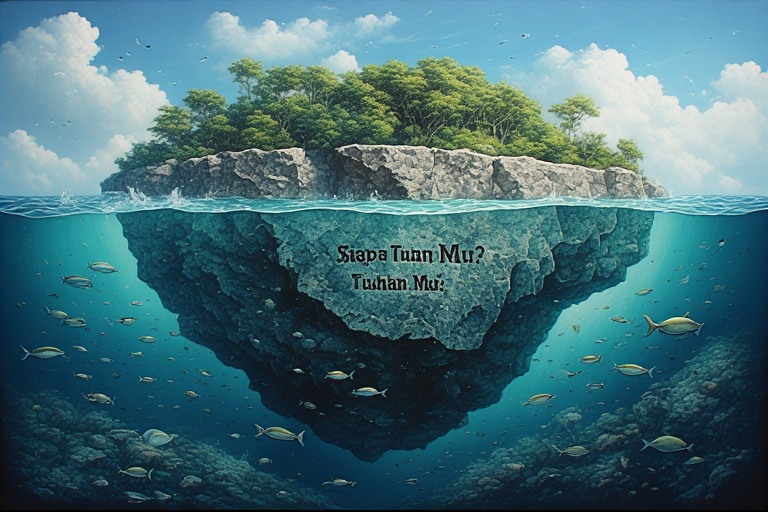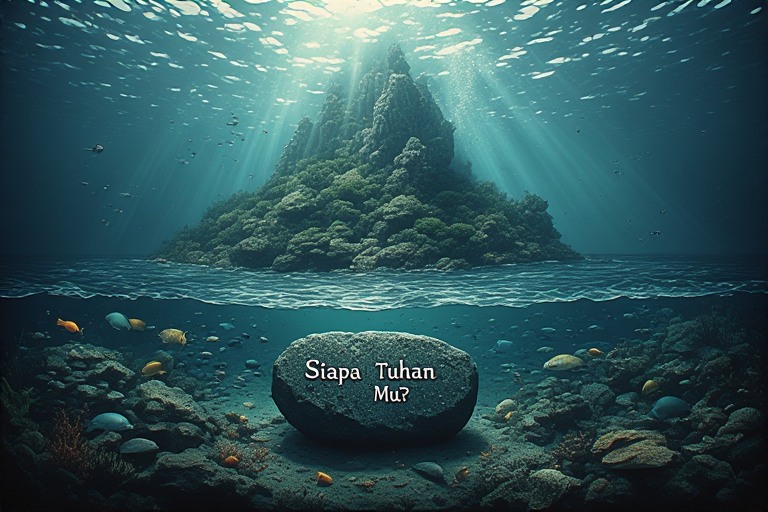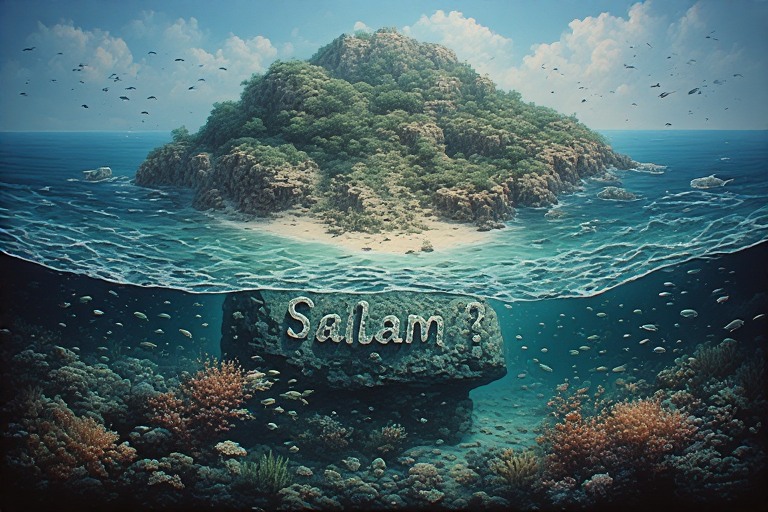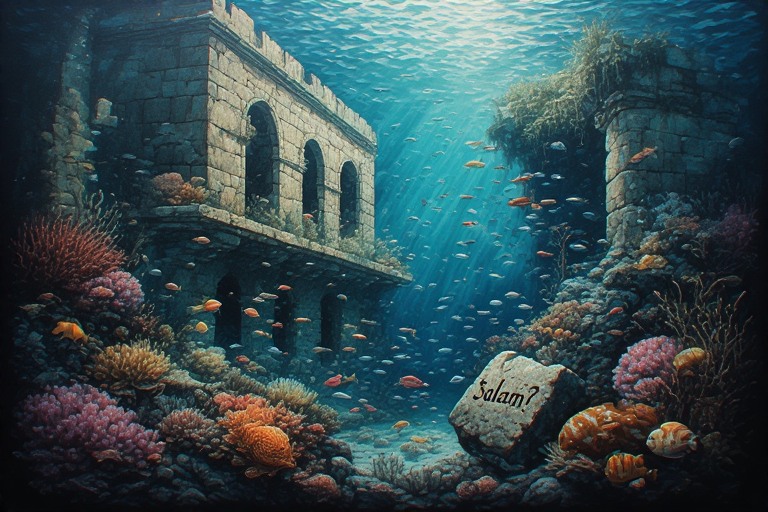
Assalamu’alaikum Warahmatullahi Wabarakatuh
Bismillahir-Rahmanir-Rahim
1. Introduction
Psychologically speaking, humility is the highest form of emotional intelligence and mental stability. A person with strong inner security no longer needs luxurious trappings, a higher seat, or flashy clothing just to feel worthy.
The presence of a humble person is always soothing because there is no “wall of ego” that limits interaction. This is what the Messenger of Allah ﷺ exemplified; he was the most complete and content with himself, so his greatness radiated not from what he wore, but from how he treated fellow human beings without regard for caste.
2. Explanation
Position and greatness should never build a distance between a leader and those he leads. The Messenger of Allah ﷺ taught that true authority is not born from the fear of others, but from how easily the powerless can approach him without fear. His majesty lay precisely in the fact that he did not need to appear “majestic” to be the most obeyed in the entire universe. Let us reflect on the words of Allah SWT and the narration that depict the sheer simplicity of his character: A. Qur’anic Evidence (On the traits of the servants of the Most Merciful)
وَعِبَادُ الرَّحْمٰنِ الَّذِيْنَ يَمْشُوْنَ عَلَى الْاَرْضِ هَوْنًا وَّاِذَا خَاطَبَهُمُ الْجٰهِلُوْنَ قَالُوْا سَلٰمًا
“And the servants of the Most Merciful are those who walk upon the earth humbly, and when the ignorant address them harshly, they say words of peace.” (QS. Al-Furqan: 63)
B. The Saying of the Messenger of Allah ﷺ (Dialogue with a Bedouin Arab)
فَقَالَ: يَا مُحَمَّدُ... آللهُ أَرْسَلَكَ؟ قَالَ: نَعَمْ
He said: “O Muhammad... did Allah really send you?” He answered with complete calm: “Yes.” (HR. Muslim No. 12, from Anas bin Malik)
3. Lessons and Message
There are many lofty moral lessons we can emulate from the simplicity of the Prophet: A Leader Without Barricades: Imagine a supreme leader who sat on the floor, blending with his people, so that a stranger had to ask, “Which one of you is Muhammad?” If he himself had no need for rigid protocol, why do we often feel we must be treated as special? The Valley and the Mountain Analogy: Humility is like a deep valley. Rainwater—mercy and knowledge—will not settle on a high, steep mountain peak; it gathers in the lowest valley. An arrogant heart will only let Allah’s mercy “pass by.” To Serve, Not to Be Served: The Messenger of Allah ﷺ was the “CEO” of this world and the Hereafter, yet he never busied himself asking, “Do you know who I am?” He was too busy serving until his character merged seamlessly with the community. Inner Security: True nobility lies not in where you sit or how luxurious your clothes are, but in the humility that makes others feel valued and at ease in your presence.
4. Conclusion
Dear brothers and sisters, humility is an invisible crown whose light can pierce the depths of anyone’s heart who sees it. Do not let a little position or wealth build a wall of arrogance within us. Let us make our hearts like valleys, ready to hold all of Allah’s blessings and become a source of life for those around us. May we be able to emulate the humility (tawadhu) of the Messenger of Allah ﷺ so that we may deserve the guarantee of Paradise for His humble servants. Amin
والله أعلم بالصواب
الحمد لله رب العالمين
Wassalamu’alaikum Warahmaullahi Wabarakatuh.
ِAbu Sultan Al-Qadrie